
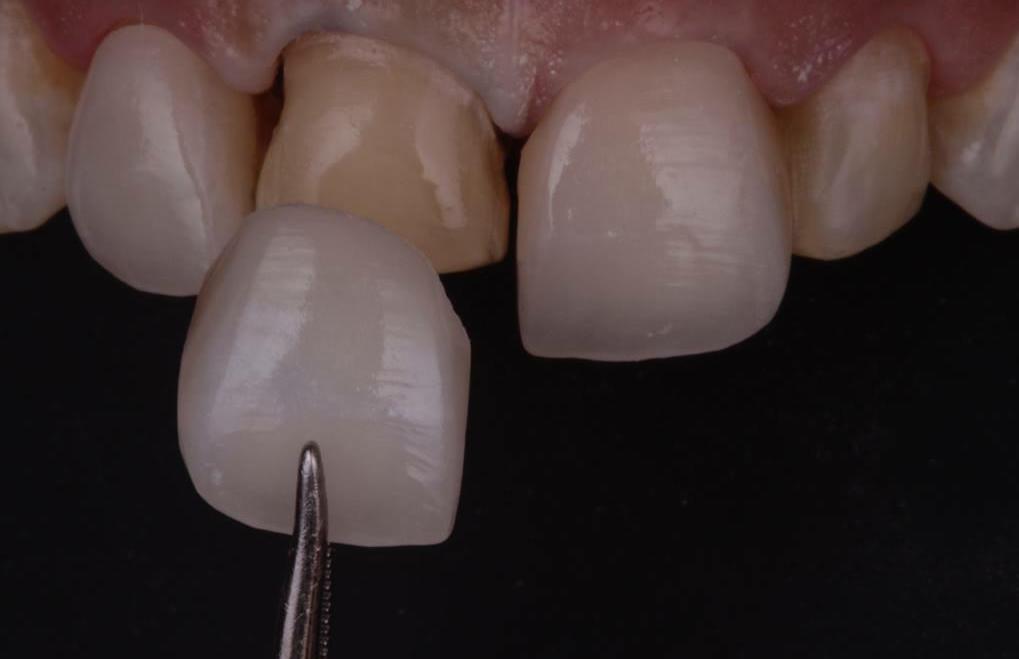
Dental veneers are thin shells bonded to the front surface of the teeth to improve their shape, color or size. They are part of many smile design treatments, but they are not the answer for every case. Here is what to know before you decide.
What types of veneers are there?
- Porcelain or ceramic veneers: custom-made in a lab. They stand out for their appearance and stain resistance.
- Composite veneers: built directly in the office. They are usually more affordable and easier to repair, although they may need more maintenance.
The right option depends on your teeth, your habits and your goals, and is decided during your evaluation.
Who are they for?
They can be an option for teeth with stains that do not respond to whitening, wear, small chips, gaps or irregular shapes. Before placing them, your gums need to be healthy and any active cavities treated. If there are bite or alignment issues, it sometimes makes sense to address those first, for example with orthodontics.
Do teeth need to be reduced?
Depending on the type of veneer and the case, the tooth surface may need light preparation. Your dentist will explain whether that applies to you and what it involves, so you can decide with full information.
Plan before placing
Good smile design takes into account the shape of your face, lips and gums. With photographs, models or digital scans, the proposal can be previewed and adjusted with you before treatment begins.
Care
- Daily hygiene with brushing, flossing and regular check-ups.
- Avoid biting hard objects such as nails, pens or ice.
- If you clench or grind your teeth, your dentist may recommend a protective night guard.
If you are considering veneers, the first step is an evaluation to learn your options.
Would you like a personal evaluation?
Every case is unique. Book an appointment and Dr. Mynor Lizama will review your case and recommend the right options for you.